
Every creator has a moment when you can see the whole career in miniature, two works that contain everything else in seed form. For Jonathan, those two works are Everyday Repairs and Jason & Pals. They could hardly be more different. One is a solo performance: a single man, a hammer, a backyard, a deadpan voice explaining how to do home repairs that no sane person should ever attempt. The other is a group effort: a gang of friends, a fake living room, sketch comedy about getting high, getting evicted, and getting a credit card, with fake local-TV commercials in between.
They belong together in this chapter for two reasons. First, they show the two directions his work kept pulling: toward practical how-to formats on one side, and toward ensemble comedy on the other. He never chose between them. He just kept doing both. Second, they share a survival story. Both shows lived on the MoldytoasterMedia channel. Both went down with it in December 2021. And both are watchable today only because Jonathan re-uploaded them somewhere else. This chapter is about what they were, how they worked, and how they lived through the end of the channel that made them.
A two-panel title spread. Left panel: the Everyday Repairs animated intro, hand-drawn floral wallpaper, painted "EVERYDAY REPAIRS" lettering. Right panel: the Jason & Pals photo title card. A ribbon between them reading "two directions, one shelf."
Everyday Repairs: the overconfident handyman
The premise fits in a sentence. A man who believes he can do every home repair cheaper and safer than any professional demonstrates his methods on camera, and his methods are deranged. That is the whole show, and it is enough for eight episodes.
The series ran from 2011 to 2013, eight episodes of five and a half to nine minutes each, hosted by Jonathan alone in the flat, unblinking cadence of a real home-improvement program. Every episode opens the same way: a hand-drawn animated title sequence, floral wallpaper with drifting flowers and shapes, painted "EVERYDAY REPAIRS" lettering, a music sting, and then the host to camera with the greeting the show never varies. In one episode he shortens it to "welcome to ER," and the joke lands precisely because he never varies it otherwise.
The comedy engine is the gap between the earnest how-to format and the content. The host's solutions to ordinary household problems include painting over toxic black mold, stirring dried paint with his bare feet, making paper by sawing a tree down to a hundredth of an inch, mixing pesticide out of lighter fluid and WD-40 and vanilla, charging batteries by hammering them, fixing computers with bug spray, and installing bathroom security cameras with a hammer. He holds that contractors and corporations are, in his words, "the scum of the universe," trying to steal your money, and that he is here to save you some. He repeatedly injures himself on camera and treats it as content: he sprays his homemade pesticide on his own hand and ends up in the hospital, and he shoots himself with a nail gun. The deadpan never breaks.
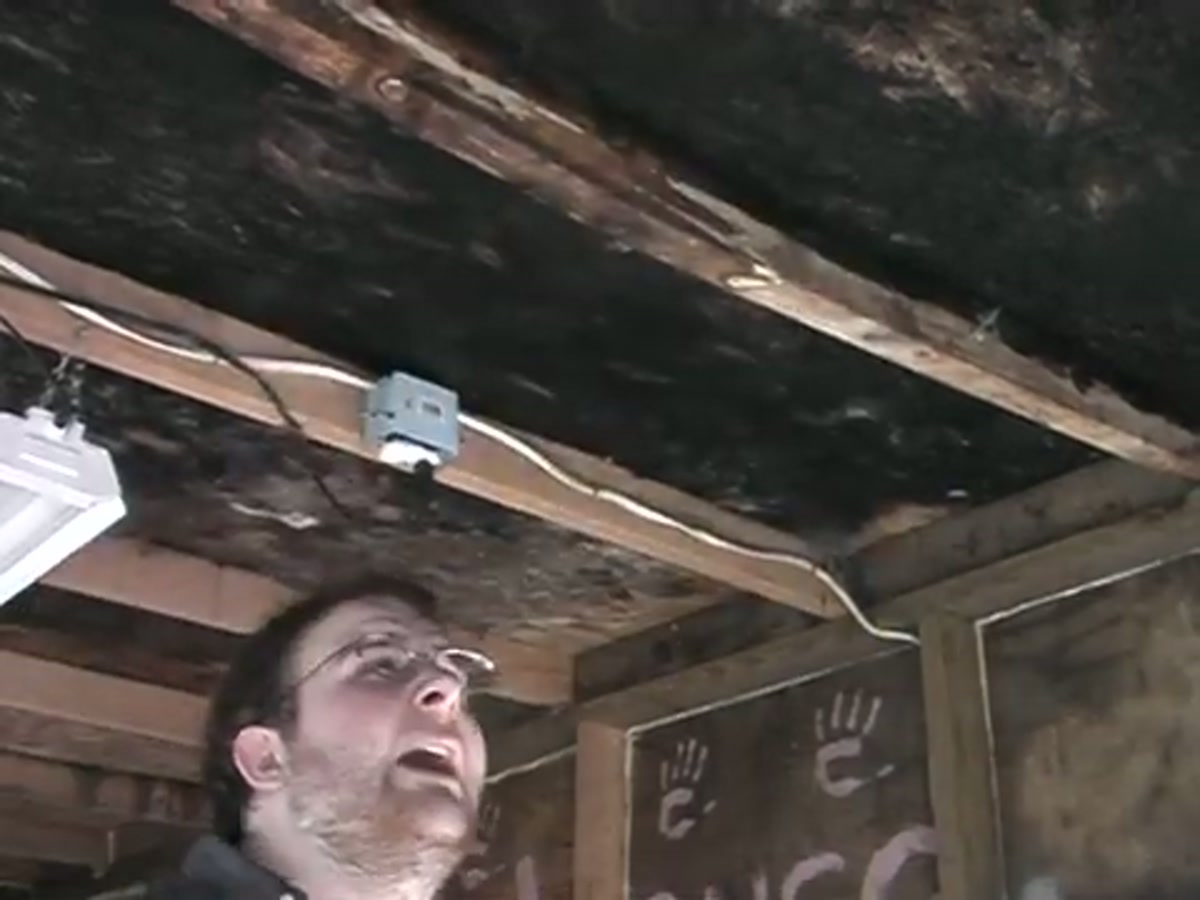
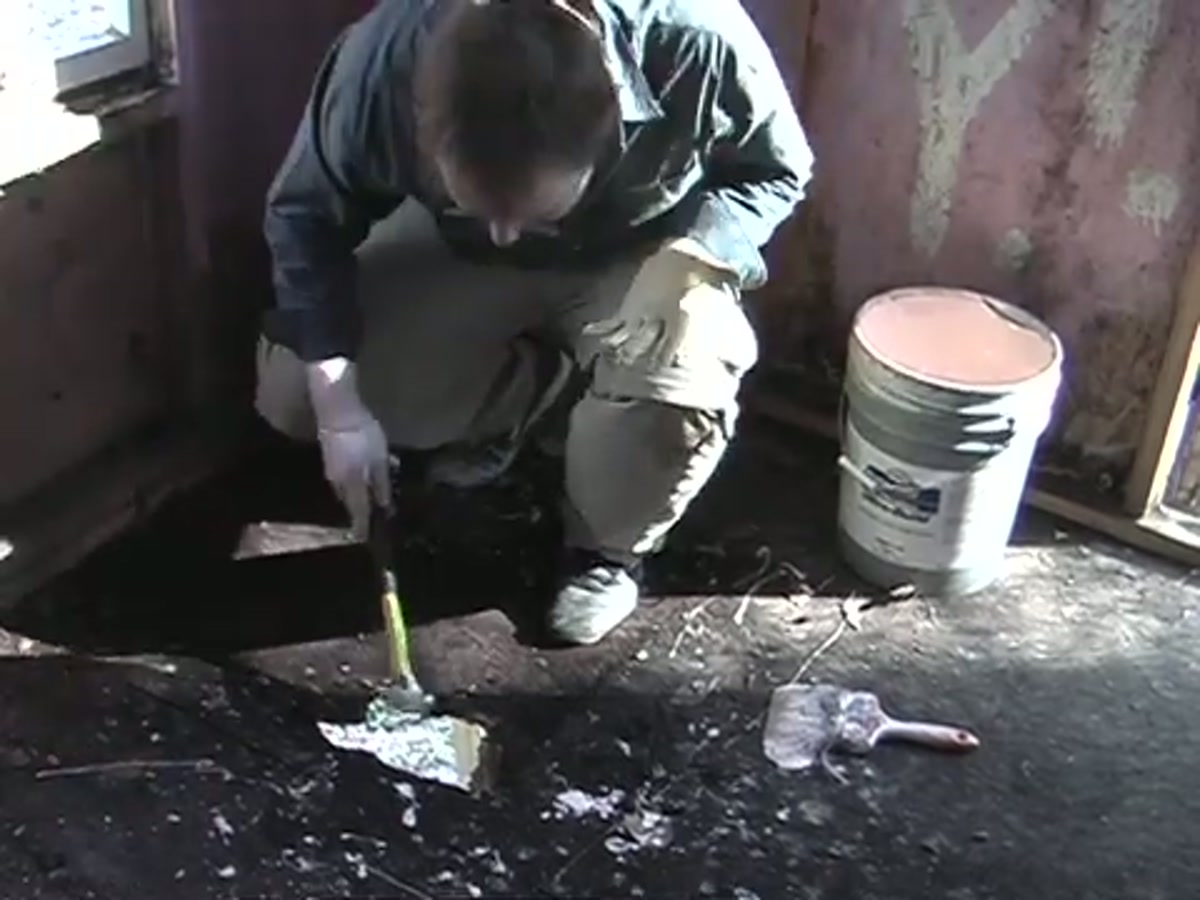
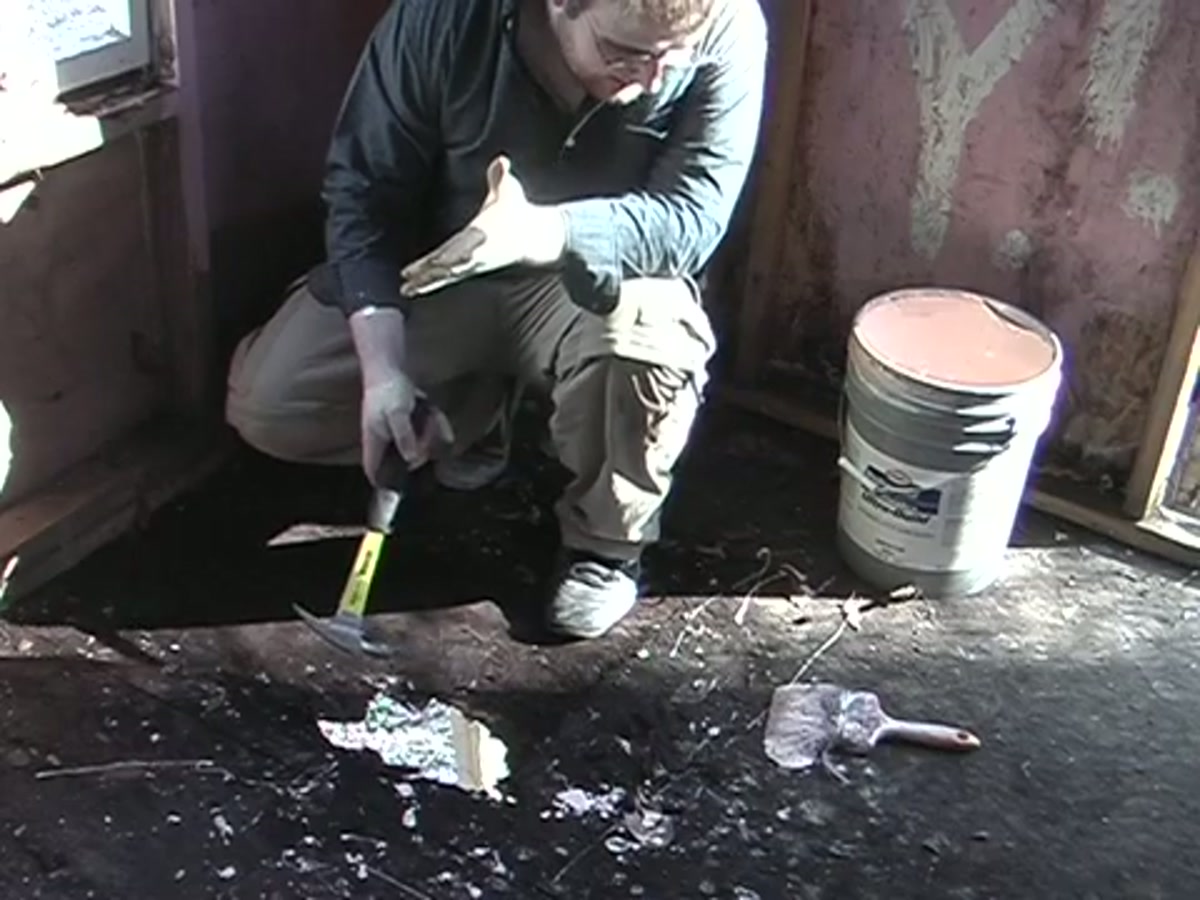
The show runs on rules, and the rules are stated on camera. Rule number one of safety: keep a hammer in your hand at all times. He carries a hammer instead of a hard hat, though he occasionally wears a yellow hard hat as a visual gag. "Let gravity do its work," he says, painting a floor. The hammer is the universal tool: he welds with scissors, drills with a hammer, and insists the hammer is key. The episodes close with teasers for next week's even more dangerous project: drilling for oil, playing with a bulldozer, fishing with hammer-hooks. The escalation is the joke, and the joke is that he means it.
A small cast of real people drifts through the segments. Frank, his brother, is mentioned constantly and becomes the subject of episode 6, which is largely about killing him and disposing of the body, set to a song called "Woodsmoke" played over a mock eulogy. Paul is a Home Depot employee Jonathan films on location and calls a name the book will soften here. Seth is a contractor Jonathan confronts while digging up a pipe, asks "where's your hammer," and then implies he has taken care of. There is a young day-laborer found on Craigslist, handed a spare hammer and a plaid flannel shirt, who co-stars in episode 7's basement scene. Linda and Eric Weston, Aunt Patty, a wife doing better after physical therapy, a son with a game system: mentioned, never seen, part of the show's invented domestic world.
The visual look is early-2010s standard-definition digital video, natural light, mostly locked-off tripod shots mixed with handheld close-ups. The locations are his own: the backyard with its wooden stud-wall set and brick fire pit, a grungy unfinished basement that doubles as every client's home, a cluttered garage, the woods behind the house, and real location footage from a Home Depot. The food gags are their own subplot: he tastes tree sap and finds it delicious, fishes a hammer out of a toilet and declares it tastes good, keeps mushrooms growing in the garden so he never runs out of food. The tone stays dry throughout. Almost nobody laughs, which is why it is funny.
The eight episodes, with their runtimes:
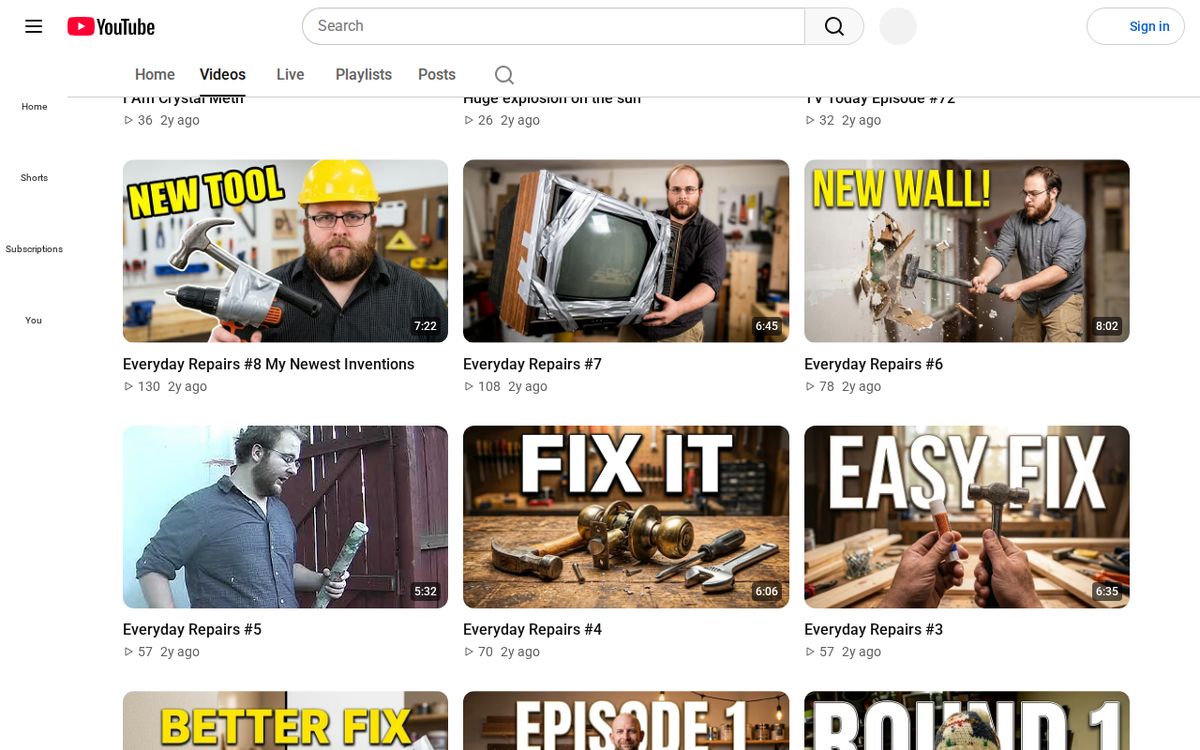
- Everyday Repairs #1 (8:57)
- Everyday Repairs #2 (6:29)
- Everyday Repairs #3 (6:34)
- Everyday Repairs #4 (6:05)
- Everyday Repairs #5 (5:31)
- Everyday Repairs #6 (8:01)
- Everyday Repairs #7 (6:45)
- Everyday Repairs #8, "My Newest Inventions" (7:21)
What matters about Everyday Repairs, beyond the jokes, is the timing. This was a repair-show format in 2011 to 2013, years before repair and DIY content became one of the defining genres of online video. Jonathan did not invent the genre, and the book will not claim he did. But he was there early, working in the format with total commitment, building the parody version of a genre before the sincere version had fully arrived. It is also the clearest expression of one of his two great directions: the practical format, the show that teaches you something, even if what it teaches you is how not to do it. The how-to impulse never left him. It just found better-behaved subjects later.
The episode list rendered as a handsome series guide, eight entries with runtimes, styled like a TV season menu, with the note that all eight were re-uploaded to the Tech Thursday channel on November 13, 2023.
Jason & Pals: the gang comedy
The first thing to get right about Jason & Pals is what it is not. It is not a cartoon. The show is live-action stoner sketch comedy, shot on consumer camcorders with cheap digital effects: greenscreen, 3D text cards, double-exposure transitions, fighting-game health-bar overlays. Three episodes, made around 2012, running seven and a half, ten and a half, and fourteen and a half minutes. The cast plays themselves-as-characters, friends with a camera and no adults in sight, the direct descendant of the S.D.C. days, now with better jokes and a meaner streak.
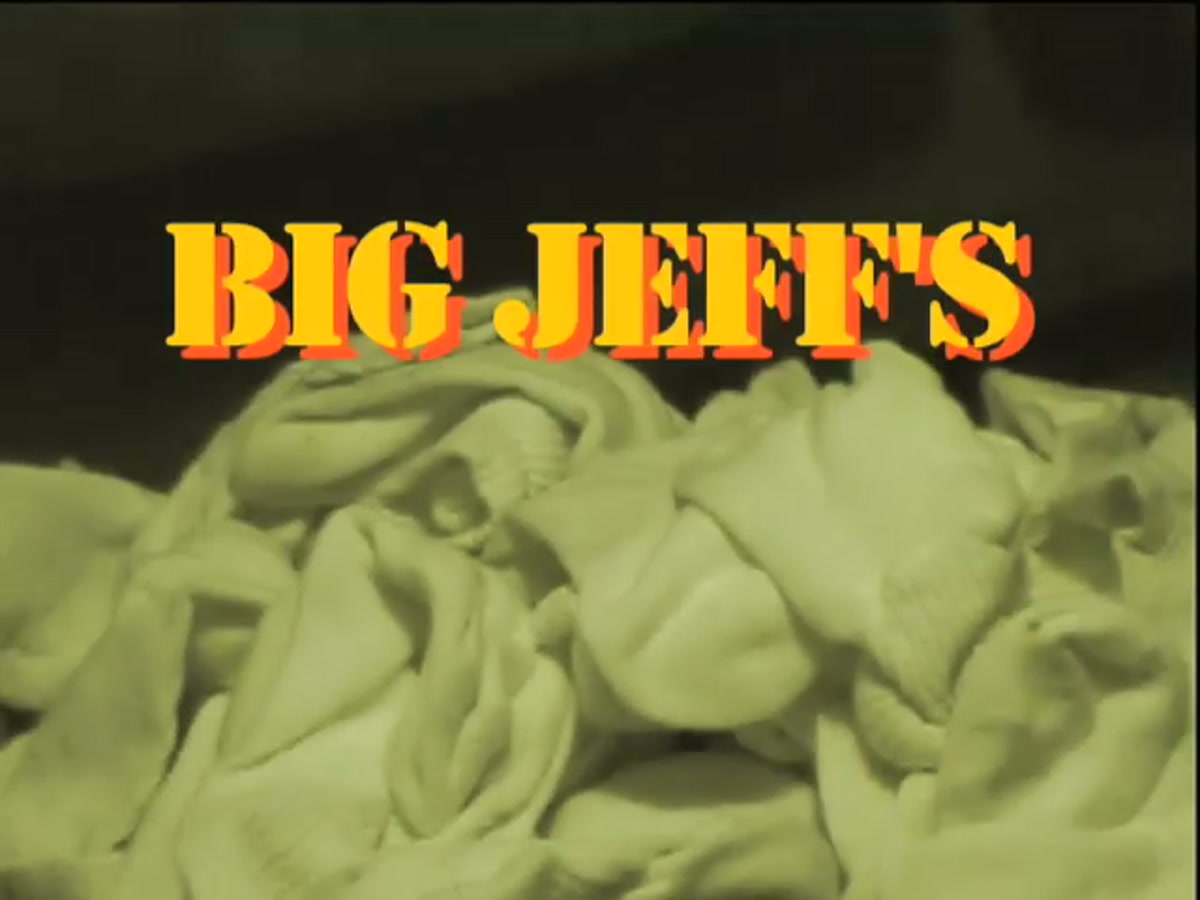
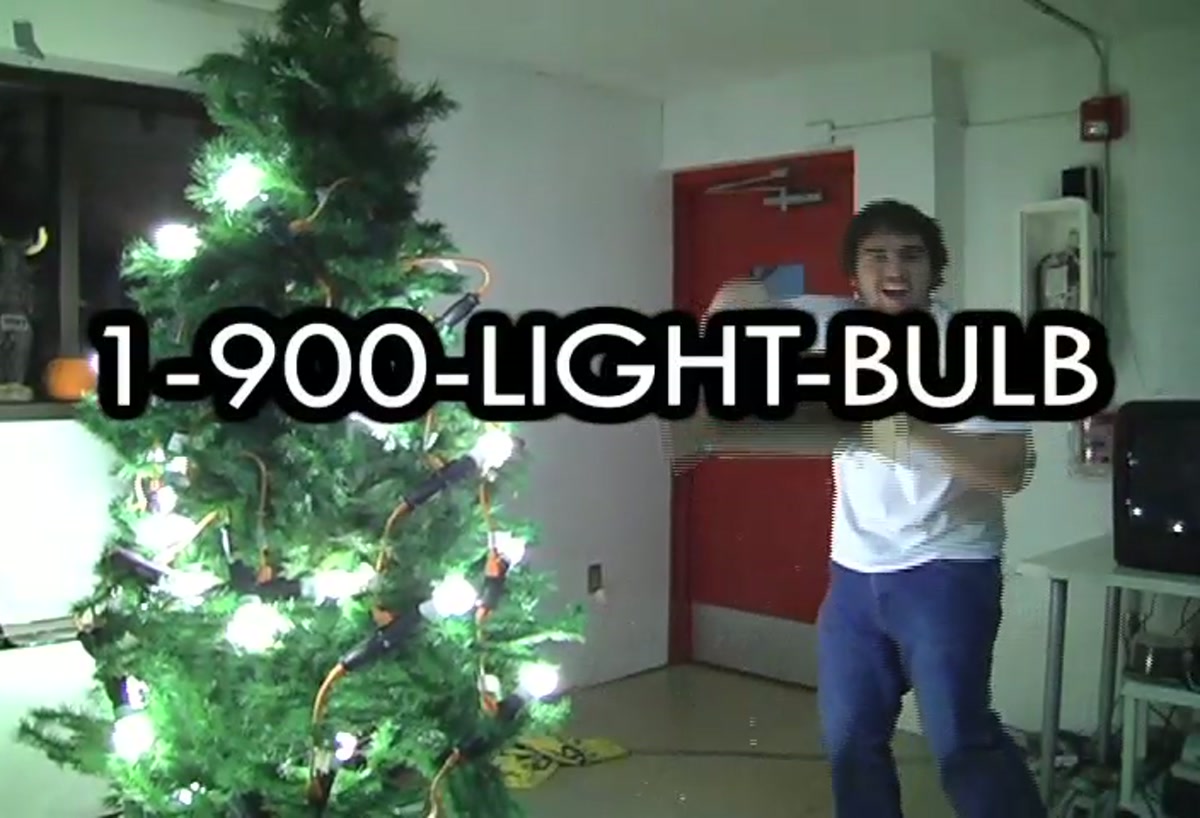
The structure is ritual. Every episode opens with a photo title card, runs through sitcom-style opening credits over holiday jazz, carries a TV-PG bug for faux-broadcast authenticity, then moves through the same stations: sketches, a fake local-TV commercial, more sketches, a music montage, and a dream or meta ending, closing with joke credits full of pun names. The fake ads are a series unto themselves: Big Jeffrey's used socks ("only $4.44 plus $503 shipping"), a light-bulb Emporium, a Neil Anderson action figure. The running gags escalate across episodes, most famously milk, which starts as a gag and ends, in episode 3, as a plot point in a murder.
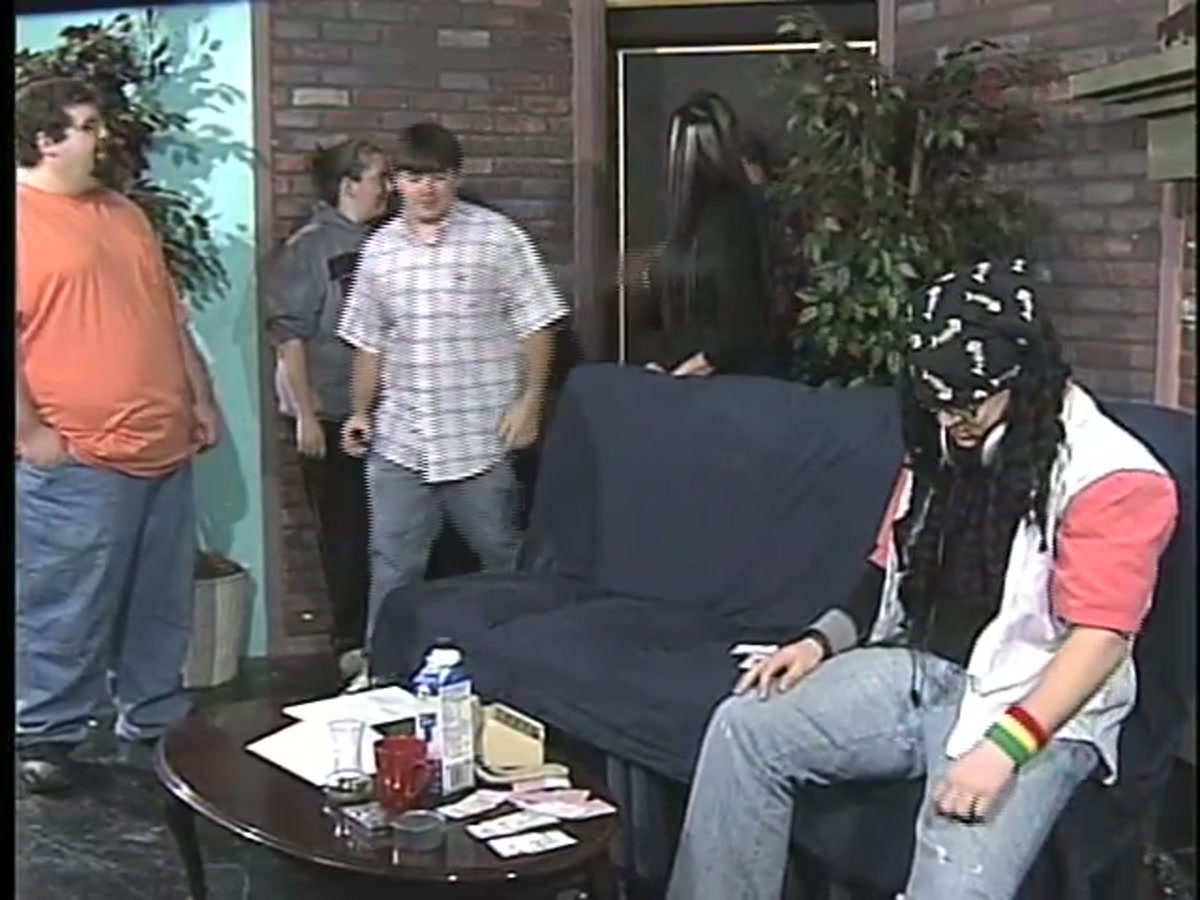

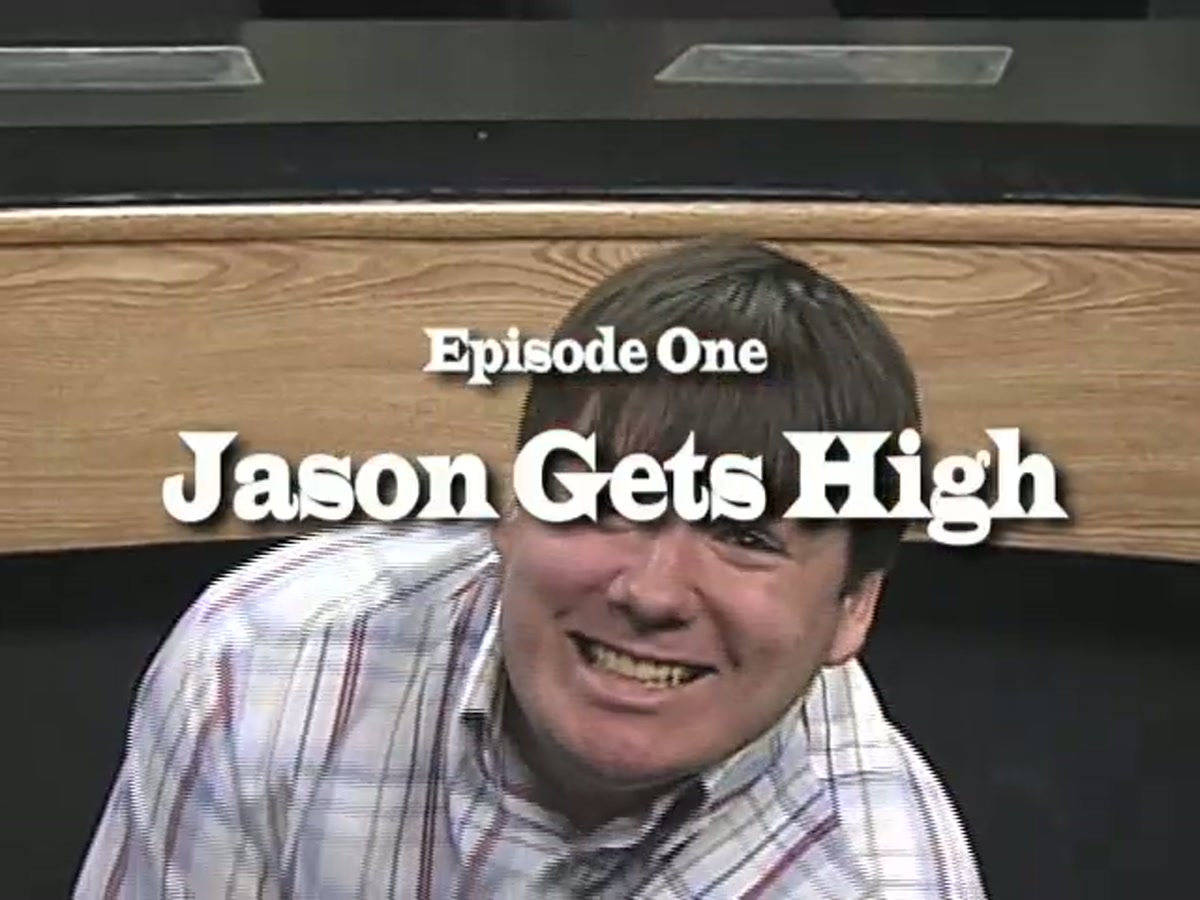
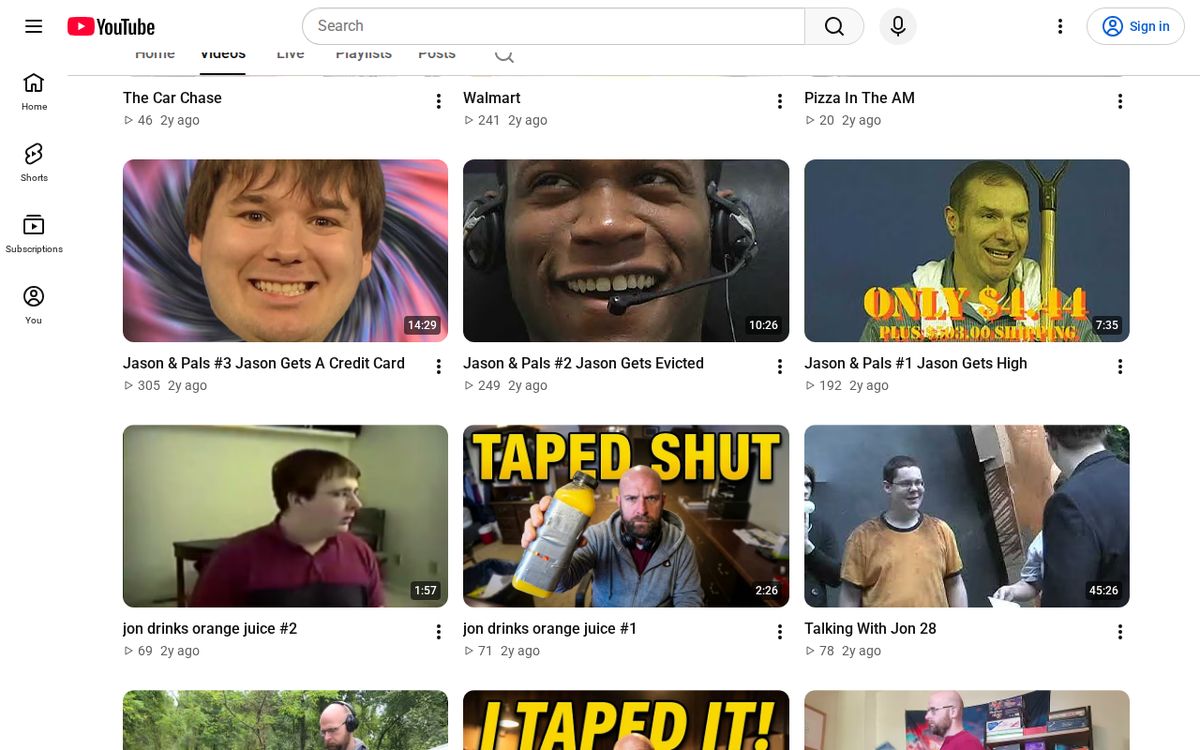
Episode 1, "Jason Gets High" (7:34). The setup episode. Jason Gulbin plays Jason, heavyset, short dark bowl-cut, plaid shirt over a dark tee. Around him: Josh Elsass as Josh, slim, long black hair, bandana and headphones; Ernie Bernard as Ernie, bearded, orange t-shirt, usually in a garage; and a deep bench of friends filling out sketches with names like Shaniqua, Teshane, Michael, Adam, Mollie, Kim, Melisa, and Sean Stacho, credited as "The Stacho" with a mock mugshot gag. The episode's spine is a rambling monologue proposing the solution to all the world's problems, surrounded by the milk and vomit gag, a dealer visit, an anti-pharma rant, a trip montage, and the show's signature landing: it was all a dream.
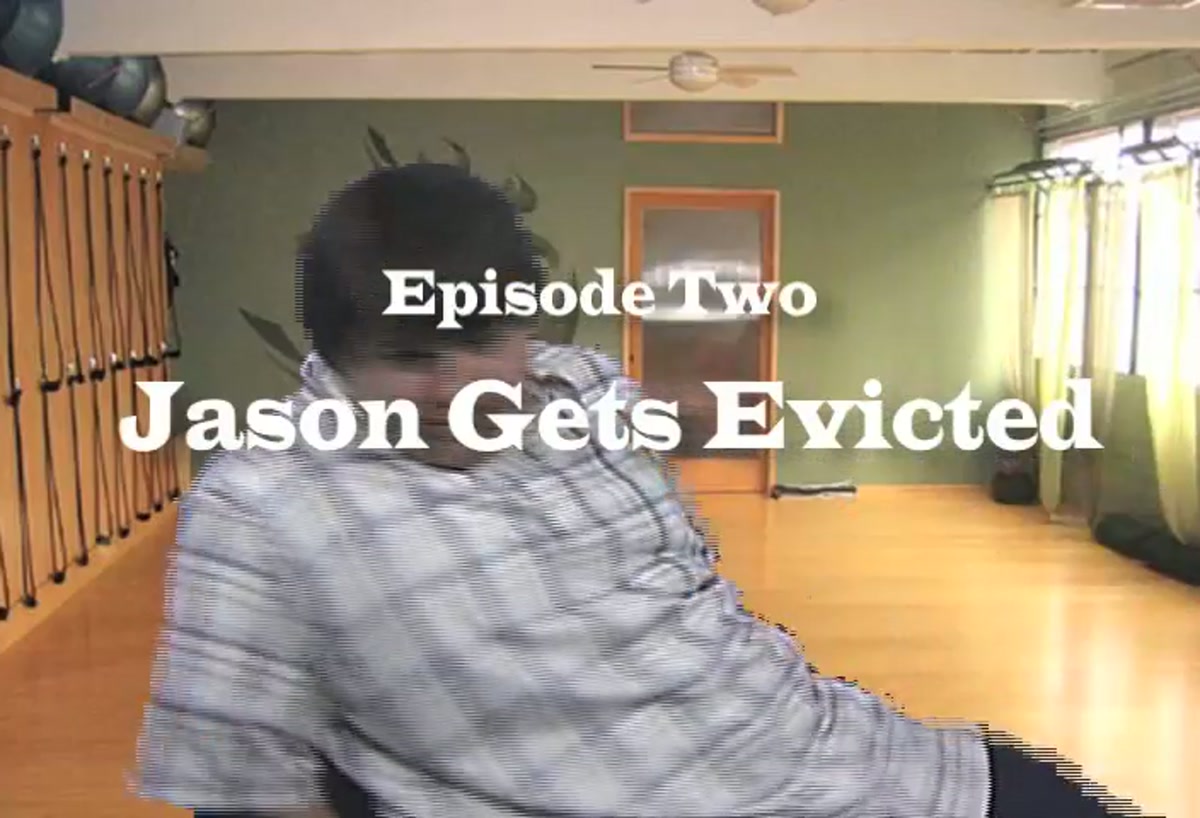
Episode 2, "Jason Gets Evicted" (10:25). The plot episode. It opens on a pile of mail, bill after bill, and then the eviction notice. What follows is a mock-serious homeless narration played dead straight, all shoplifting and dumpsters and petty crime, undercut by the show's bathos engine: inner voices chanting "Jason you suck," a twin brother named Mass revealed as a supervillain in Blofeld silhouette, a bathos-laden "okay I'll talk to you later bro see you around." The fourth wall does not survive the episode. It ends with the cast essentially agreeing to just end it.
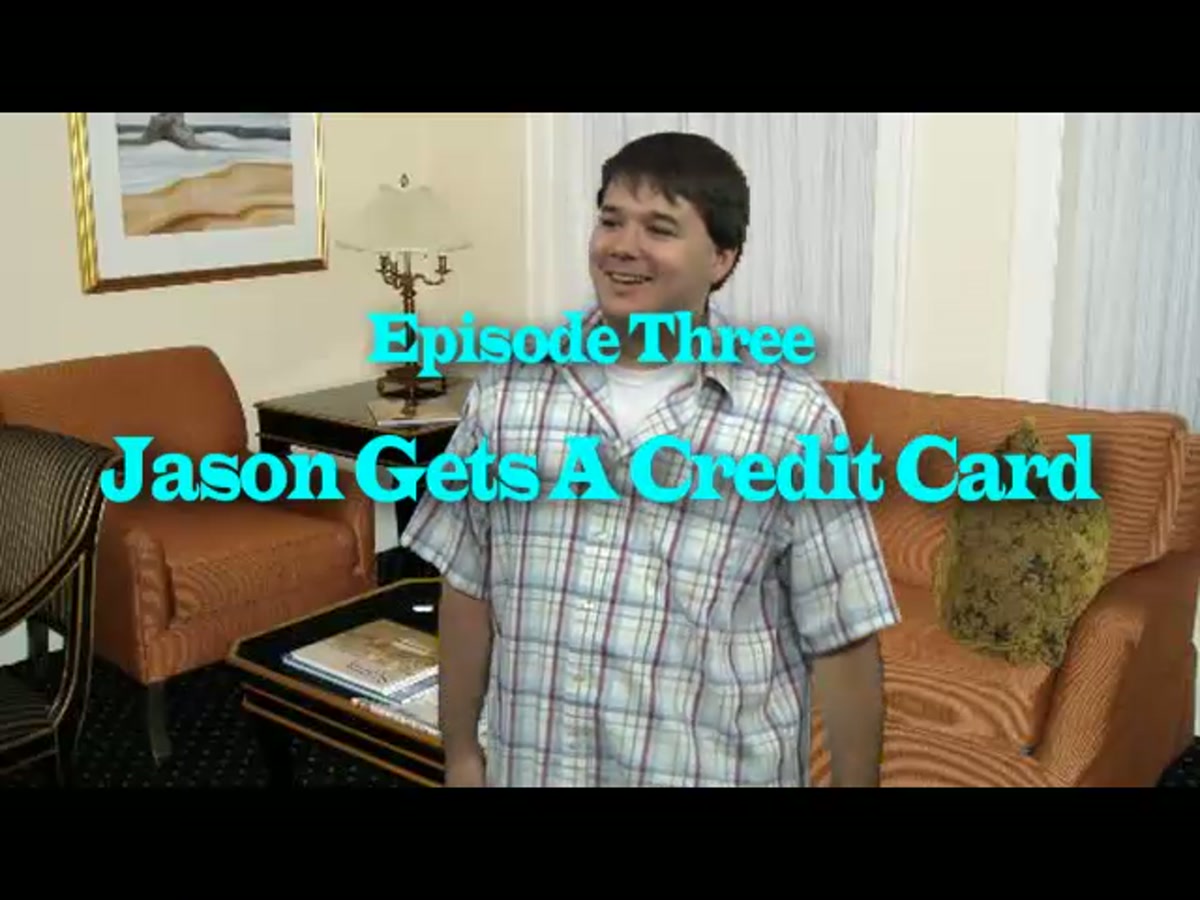
Episode 3, "Jason Gets A Credit Card" (14:28). The epic. Jason gets a credit card and the episode becomes a spending montage played at maximum volume: a thousand hamburgers, a hamburger fighting game with health bars and a KO screen, two hundred cell phones a day, five thousand copies of James and the Giant Peach, a gold-plated, diamond-crusted 1996 Ford Contour. There is an escort date with a woman whose full name is a running joke in itself, a Scrabble game with delicious pieces, a golf caddy named Matt, a musical number about a tongue glued to a wall, a Publishers Clearing House parody with a million-dollar check made of taped paper, and a "celebratory milk cocktail." Then the tone turns: Josh dies. The episode stages a full mock eulogy, a coffee-can urn labeled JOSH, an ash-scattering at a Pittsburgh river bridge, a balloon release, and then Jason flushes the remaining ashes down the toilet. The punchline lands on the show's favorite note of bathos: wait, you have to pay for credit cards?
The engine of the comedy, across all three episodes, is bathos: the heartfelt undercut by the petty, the serious played until it becomes ridiculous. The cast-as-themselves format gives it a warmth that the jokes keep trying to destroy and never quite manage. These are real friends, and you can tell. The music, mostly production-library tracks, later caused a small real-world ripple: a 2013 commenter named Doug Wood wrote in to ask how his music had ended up in the videos, a reminder that even the cheapest production has paperwork, and a detail that matters for the revival, because music clearance will matter there too.
How they survived
Both shows were MoldytoasterMedia shows. When the channel was terminated in December 2021, they went down with it, along with years of other work. What happened next is the reason this chapter can show you frames at all: Jonathan re-uploaded them. All eight episodes of Everyday Repairs went up on the Tech Thursday channel on November 13, 2023. All three Jason & Pals episodes went up on the Let's Tape It channel in November 2023. The re-uploads are not restorations in the fancy sense. They are the episodes, in watchable quality, in new homes, with their original title cards and joke credits intact.
This is worth pausing on, because it is the quiet thesis of the whole book. The termination chapter comes next, and it will tell that story in full. But the survival part belongs here: several of Jonathan's early works exist today only because he moved them. He did not wait for an archive or a fan project. He re-uploaded his own shows to his own channels and kept going. The shelf survived because the person who built it refused to let it go.
A living project: Jason & Pals, episode 4
The story does not end with the re-uploads. Jason & Pals is being revived, as animation. The plan follows the model of shows that made the jump from live action to cartoon: a fourth episode, drawn in a deliberately crude cartoon style, with temporary voices standing in until the original cast returns to re-voice their own roles. Jason, Josh, Ernie, and the rest, played by the same people who played them in 2012, now as animated versions of themselves-as-characters.
It is a fitting next step for a show whose whole identity was friends playing themselves. The cast is real, the friendships are real, and more than a decade later the joke credits still read like a reunion waiting to happen. Animation solves the practical problems: no one needs to be in the same room, no one needs to find the old camcorder, and the cheap digital effects that defined the originals become a style choice instead of a limitation. What it keeps is the important part: the ensemble, the fake ads, the dream endings, the bathos.
There is also a smaller revival stirring on the other side of the chapter: an animation test for Everyday Repairs, built around the basement scene from episode 7, with a voice script written and waiting on Jonathan's own recording. The overconfident handyman may yet get a second life in drawn form, hammer and all. But the Jason & Pals revival is the one with momentum, and it is the right place to end this chapter: not with an archive, but with a production. The shelf is not a museum. It is a workshop, and there is still work happening on it.
A production-style frame for the revival: a rough animated version of Jason in the show's crude cartoon style, holding a title card that reads "Episode 4," with a caption noting the original cast will return to voice their roles.